

CAPTURING EXPERT AND INSTITUTIONAL KNOWLEDGE
Record how it is done, while someone still knows
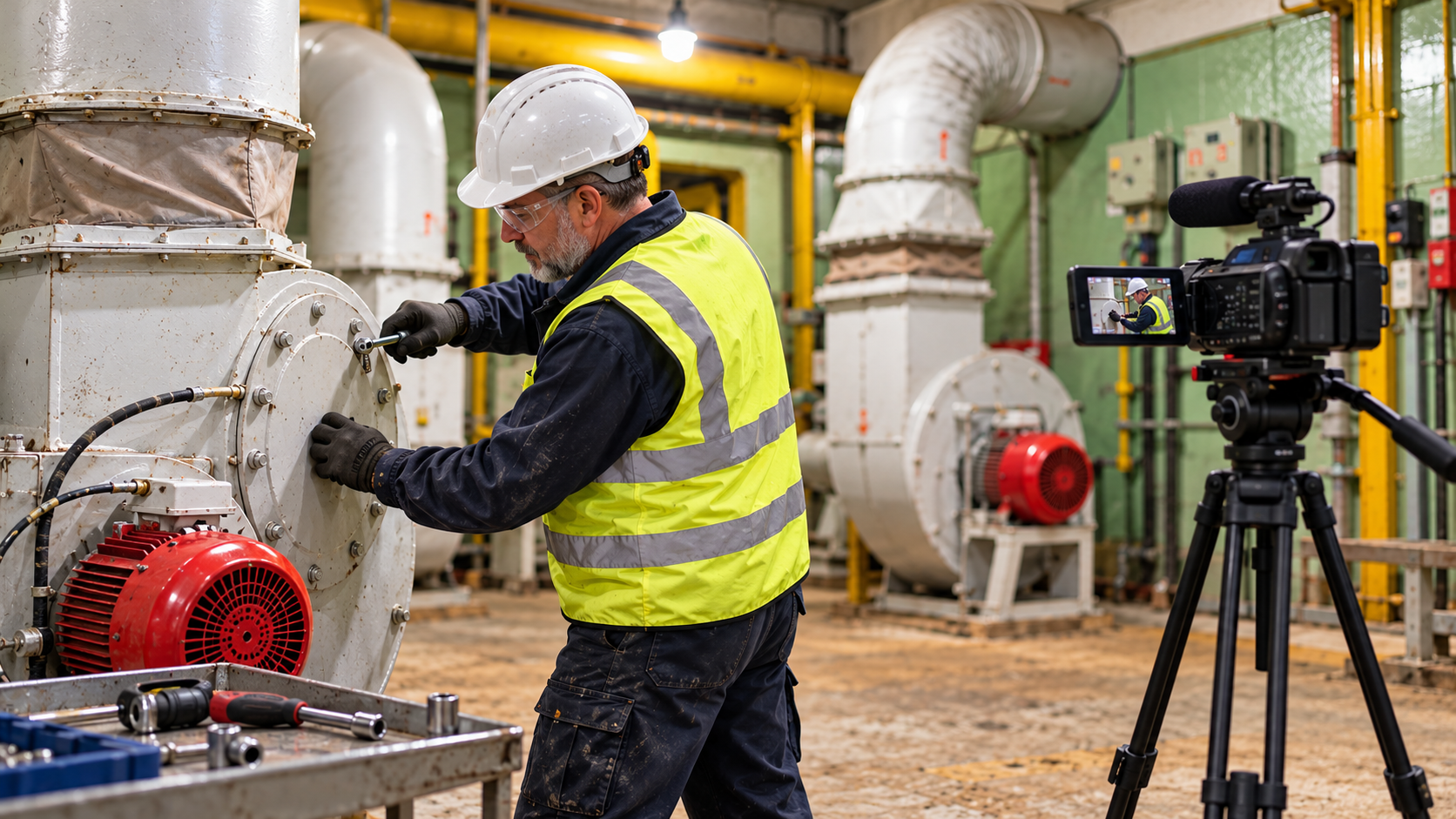
Preserve institutional knowledge by filming your experienced people doing the work, and turning it into training that outlasts any one person.
The Problem
When a line moves or a long-serving operator leaves, someone is usually asked to write the procedure down. That rarely works. The steps get documented, the judgment does not, and nobody notices the difference until the work has to be done somewhere else by someone else.
The procedure as written
Pump replacement and commissioning
- 1Isolate and make safe
- 2Diagnose the fault
- 3Remove and inspect
- 4Fit the replacement
- 5Commission and test run
Every step is correct, and it is all the document says.
The same procedure as done
Pump replacement and commissioning
- 1Isolate and make safe Check before you start
- 2Diagnose the fault
- 3Remove and inspect
- 4Fit the replacement This step changes on older units
- 5Commission and test run The sound that means stop
The same five steps, with what experienced people actually do: the check before you start, the sound that means stop, and the step that changes on older units.
When Knowledge Capture Matters Most
Capture work is usually scoped alongside a wider change, where documentation and training are already part of the project.
Line or product transfer between facilities
New site commissioning
Acquisition or facility integration
Planned retirement or succession
Major equipment or process change
What You Build
The work, captured as it runs.
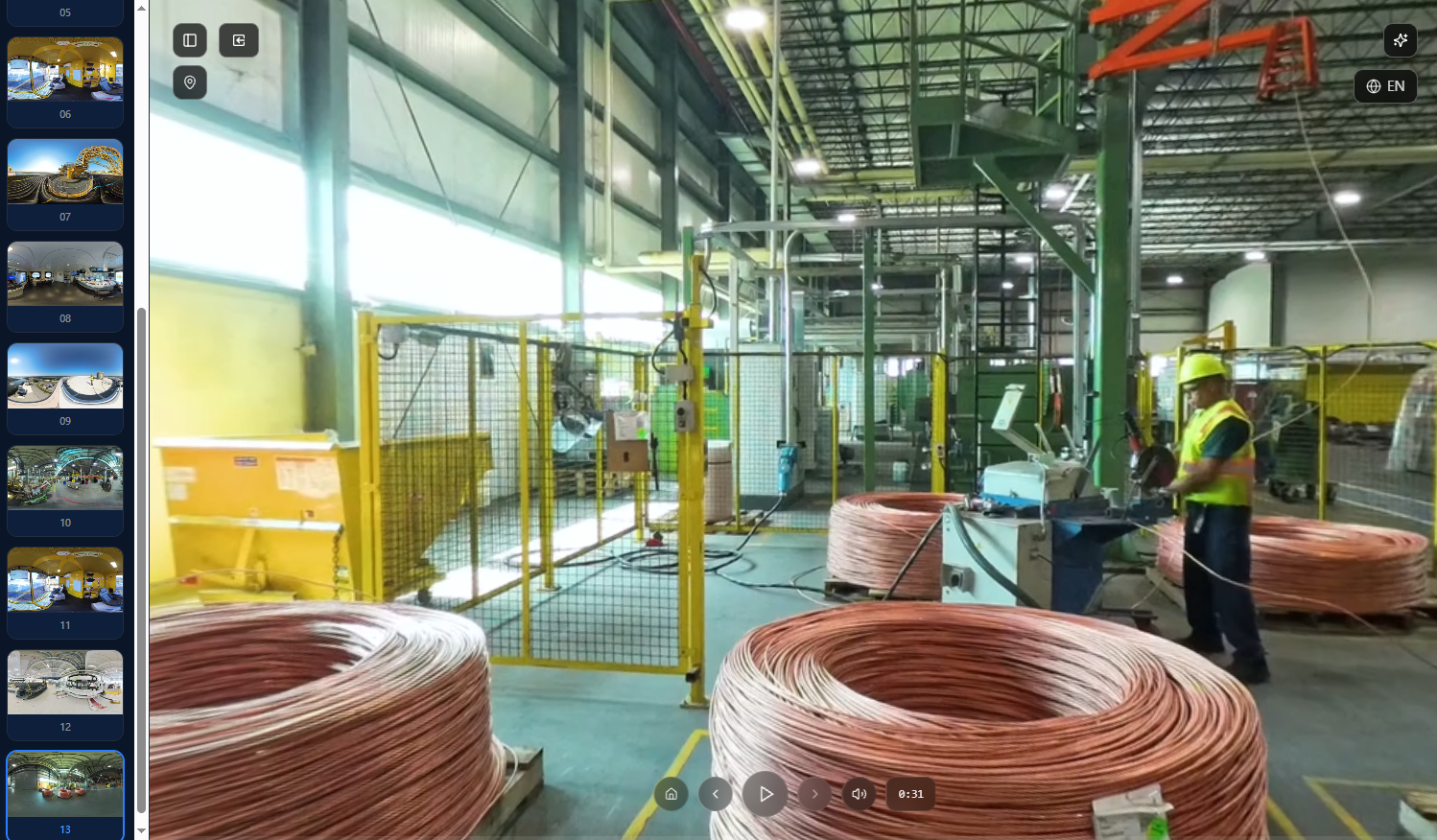
Film the job rather than asking for a document. What gets recorded includes the parts nobody thought to write down.
Structured into training, not footage.
The capture becomes steps, decision points and assessments, instead of an hour of video nobody will watch.
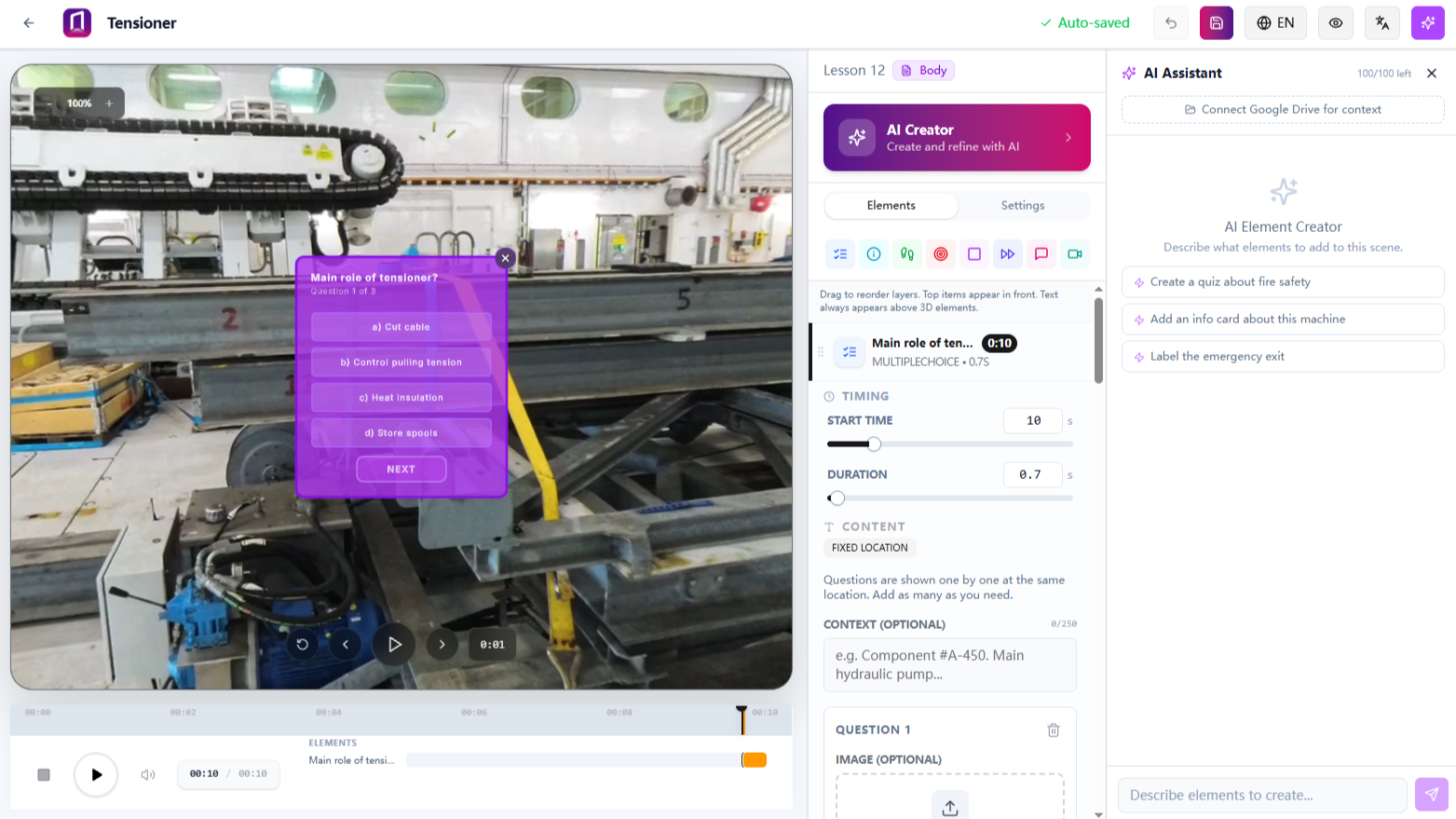
Courses with as much AI support as you want.
Build from scratch, or start with AI Creator. Hand it your footage and existing documentation and it drafts the steps and writes the check questions for your review.
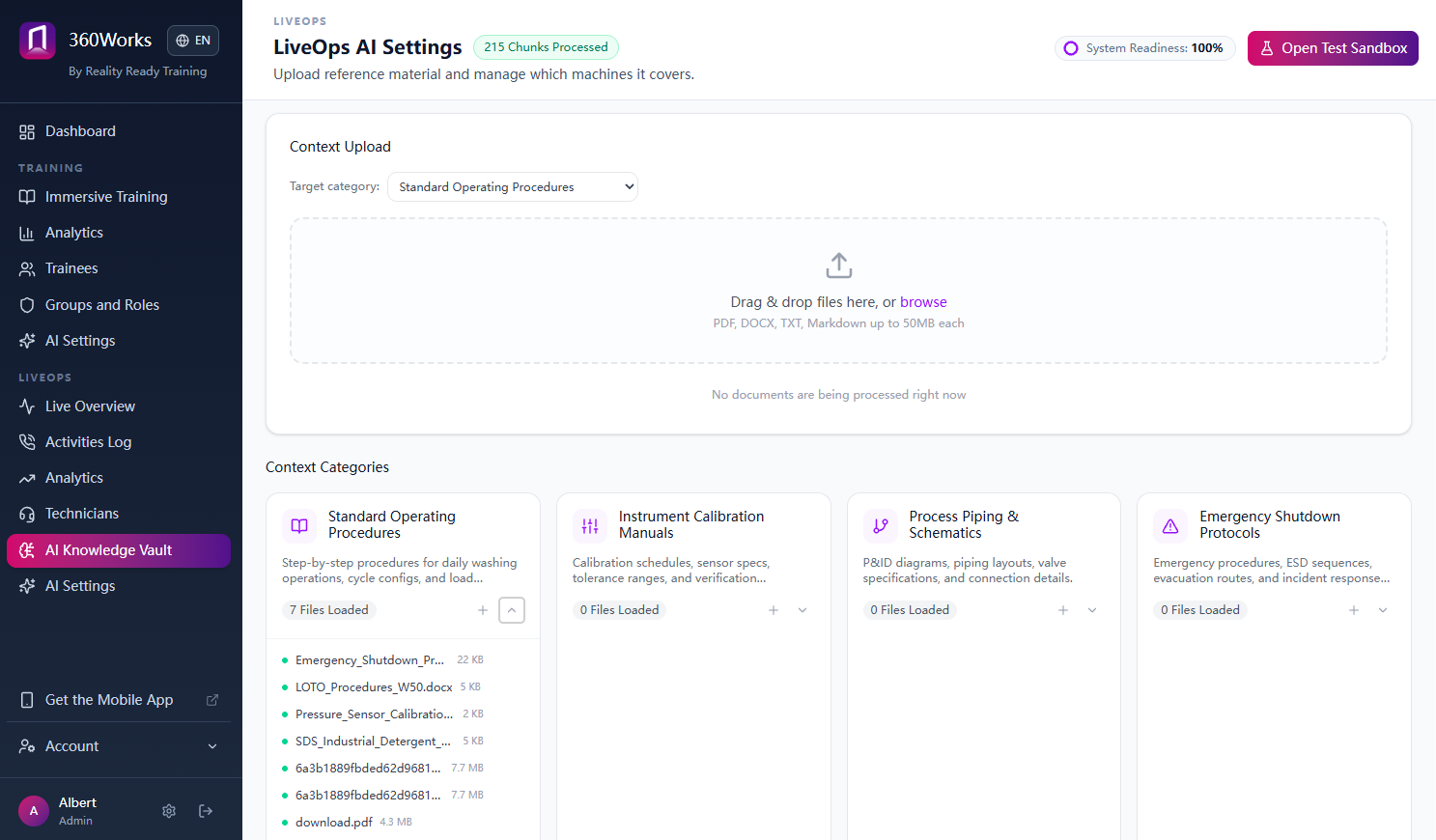
A reference the next site inherits.
Searchable, updatable, and yours. The next facility starts from the same material, and improvements made there go back into it.
Typical Modules
Line Changeover
- 1 What the line does and why it runs this way 15 min
- 2 Starting up from cold 15 min
- 3 The changeover, start to finish 20 min
- 4 Common faults and how to catch them 15 min
- 5 Escalation: who to call when something goes wrong 5 min
What You Need To Start
A few hours with the person who knows, and a phone. For one procedure and one expert, your own team can capture it without us.
Whatever documentation already exists helps. It gives the capture a structure to hang on rather than starting from a blank sheet.
Built By Our Studio
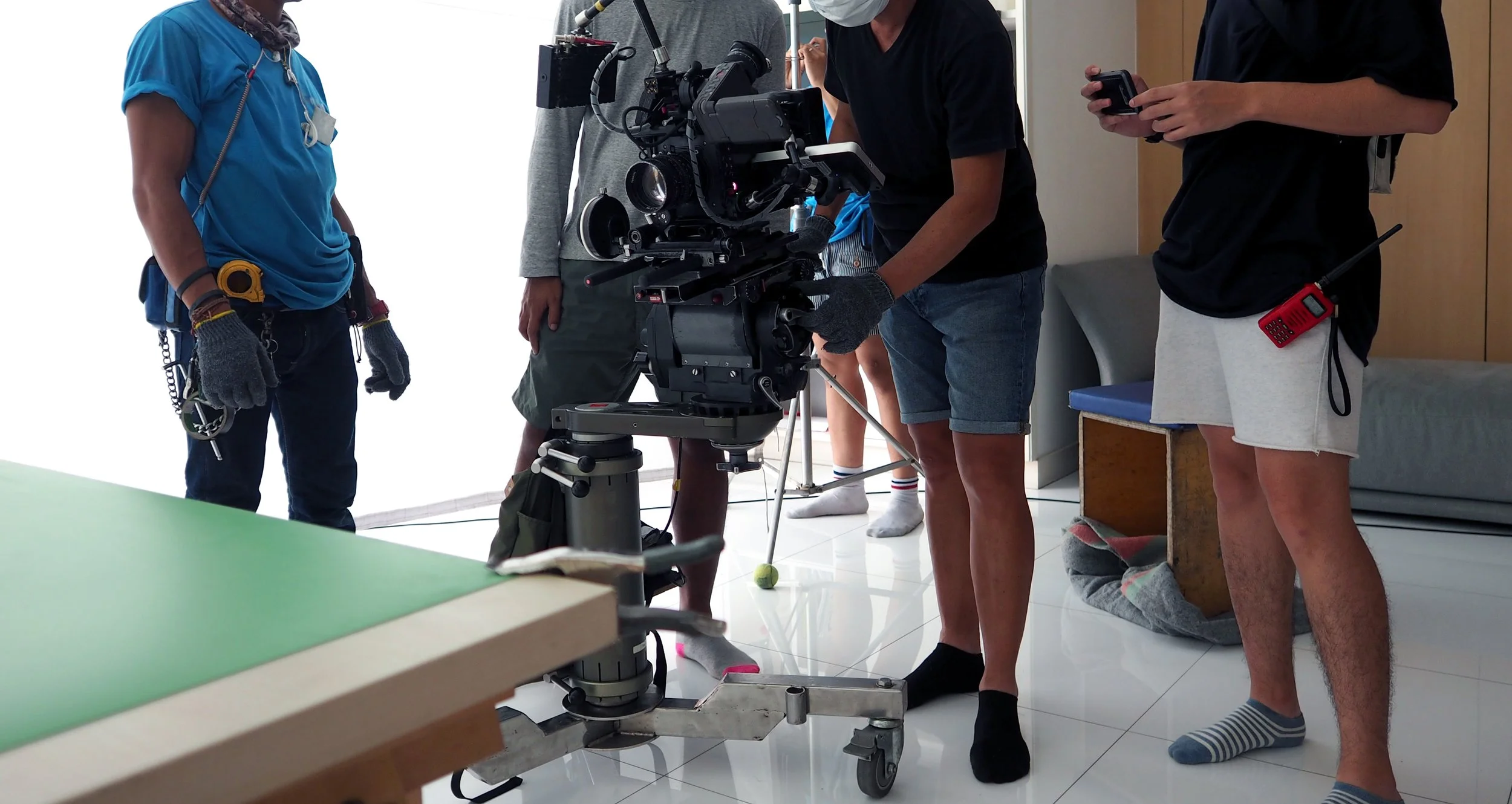
When the scope is a whole operation rather than one procedure, Reality Ready Training's studio scopes it with you, captures on site, and produces the programs. Most capture engagements take a few days on site.
Common Questions
-
Knowledge capture means recording how an experienced person actually performs a job, on site and in their own words, and turning it into structured training that outlives their time with the company.
-
Written procedures capture the steps but rarely the judgment: the conditions that change the sequence, the checks an experienced operator runs without being asked, the way an older unit behaves differently. Expertise becomes automatic, and what is automatic is very hard to write down.
-
Most people are more comfortable doing the job than writing about it. The capture is them working and talking, not presenting to camera.
-
You do. It lives in your 360Works account and exports with the rest of your content.
Start with the person you cannot replace
Pick one procedure only they know, and capture it this month.