

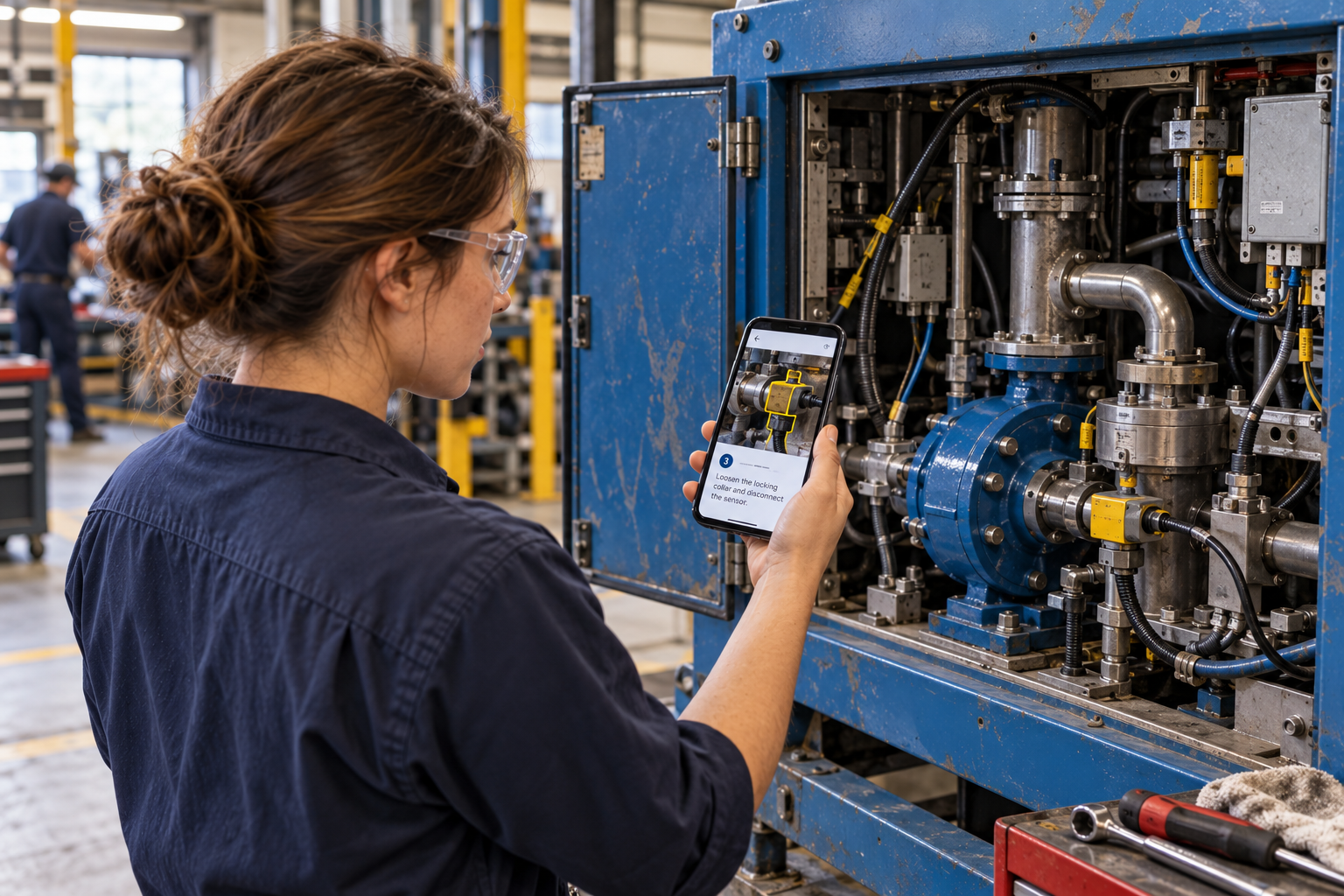
FIELD SERVICE & TECHNICIAN TRAINING
Build the course once. Run it on every unit you service.
Film the repair once and put it on the phone your technicians already carry. When the procedure doesn't cover it, an AI assistant answers from your service documentation, and a senior tech can join the live video.
The Problem
Procedures live in manuals nobody opens and in the heads of technicians who are already busy. When someone new hits a fault they have not seen, the options are a phone call to a senior colleague or a guess.
of first-time technicians arrive with no formal training
annual turnover among entry-level technicians
hours: the average time a shop spends training one untrained first-time technician
Source: American Transportation Research Institute, 2025; American Truck Dealers Workforce Study, 2024. Figures are from the diesel and truck service sector.
Help On The Job
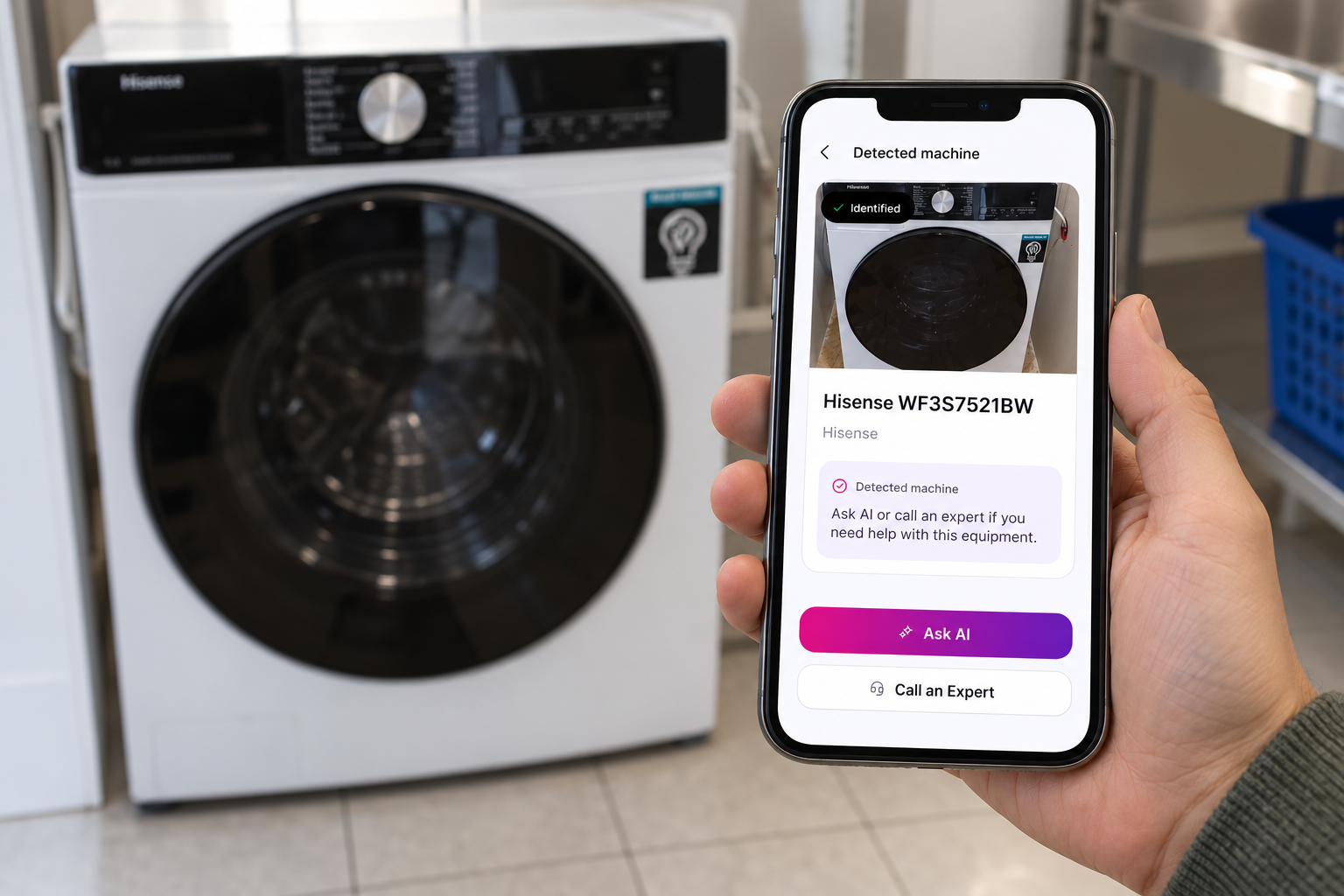
It knows what it is looking at.
A technician points a phone at the machine and the app identifies the model. No hunting for a serial plate, and no describing the unit to someone else before anyone can help.
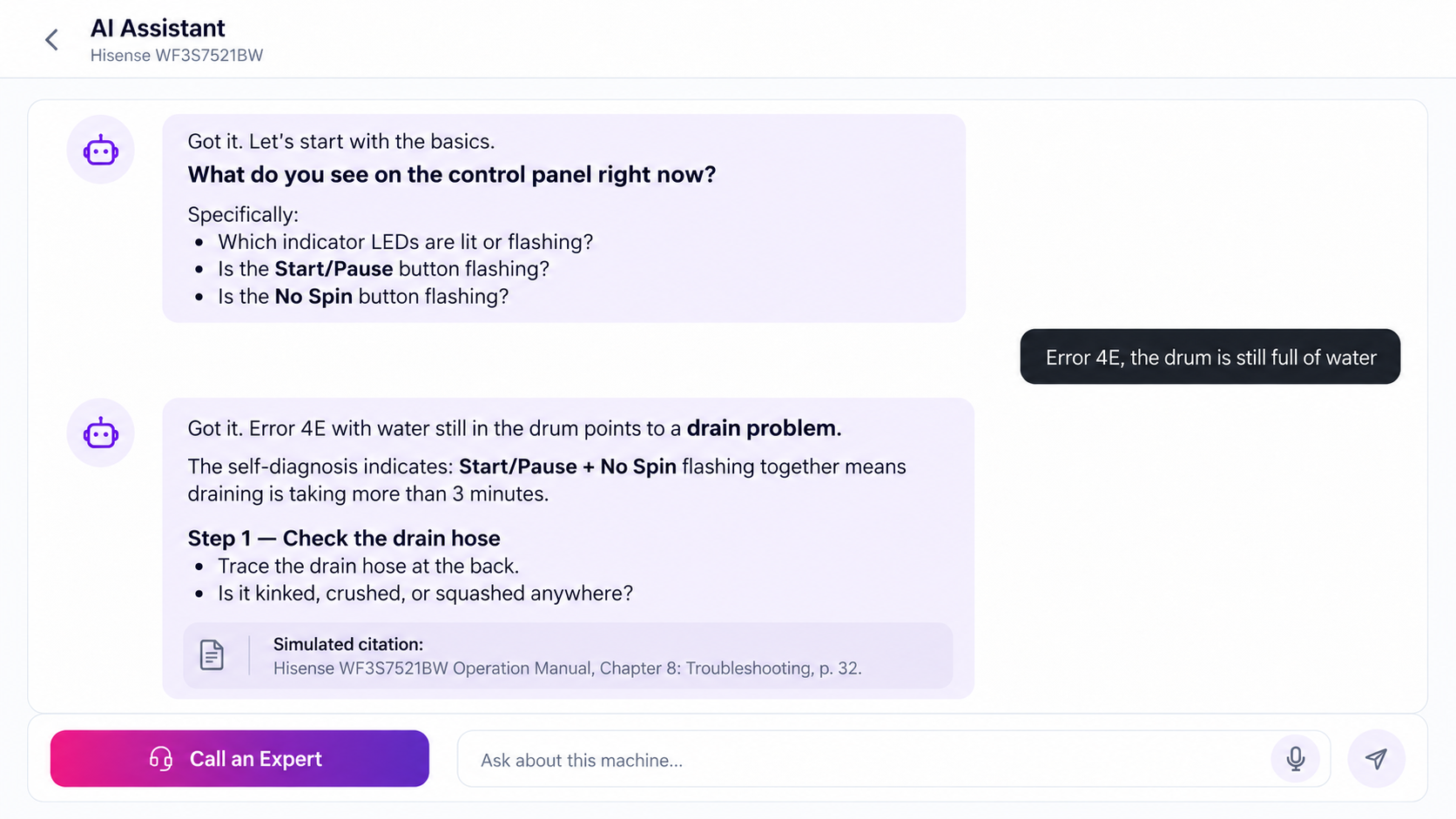
Answers cited from your own manuals.
Ask about an error code, a mechanical fault or a procedure, and the assistant answers from your official documentation and schematics, with the source cited. When it does not know, it says so and opens a session instead of guessing.
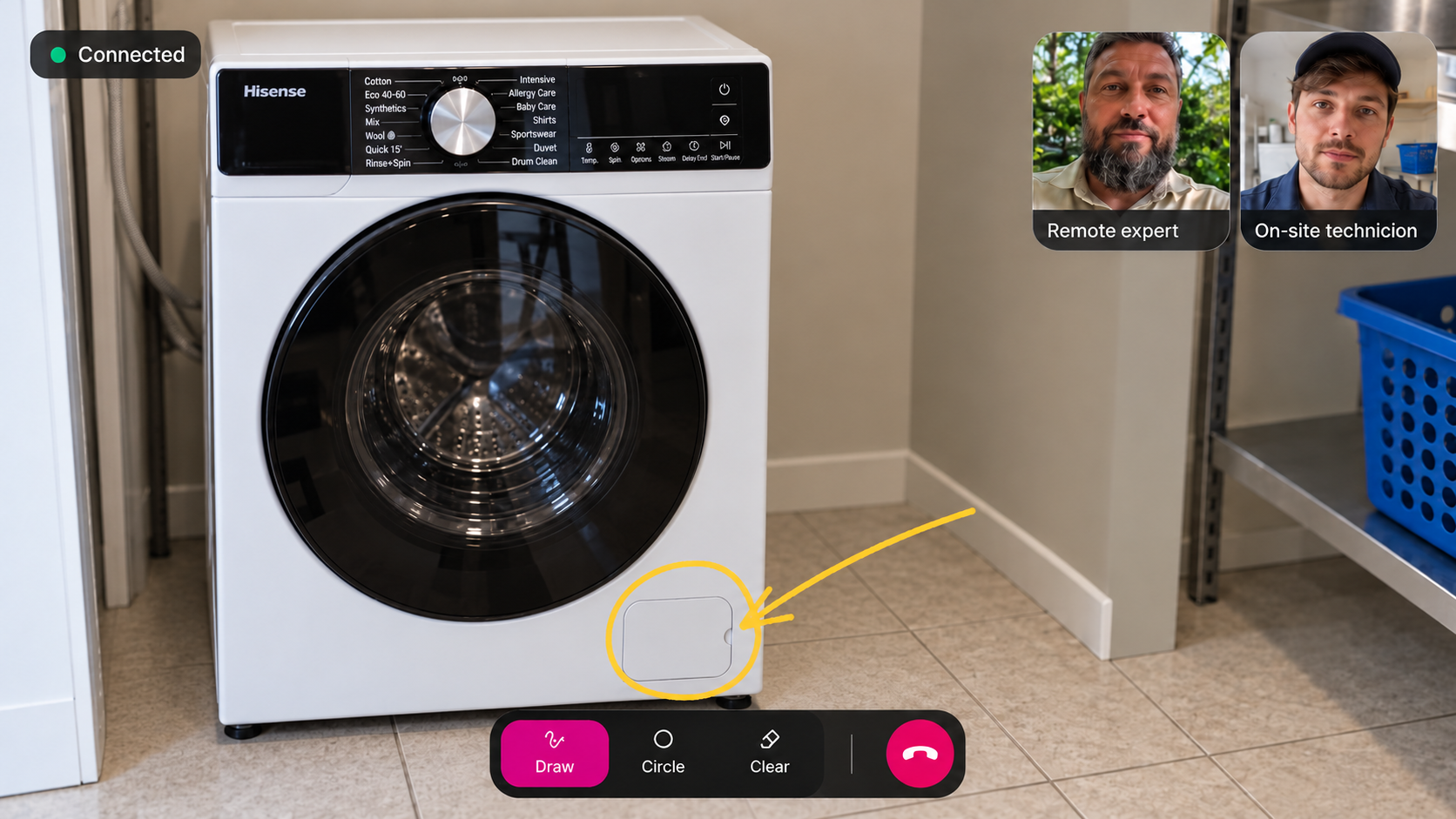
An expert drawing on what they see.
One tap opens a live session. The expert watches the camera feed and marks it up directly, circles and arrows that stay locked to the component as the camera moves. "That valve" means that valve, rather than a description over the phone. One senior technician can cover a whole region without leaving the office.
Runs on the technician's phone, or on AR smart glasses when the job needs both hands.
Training You Build for Technicians
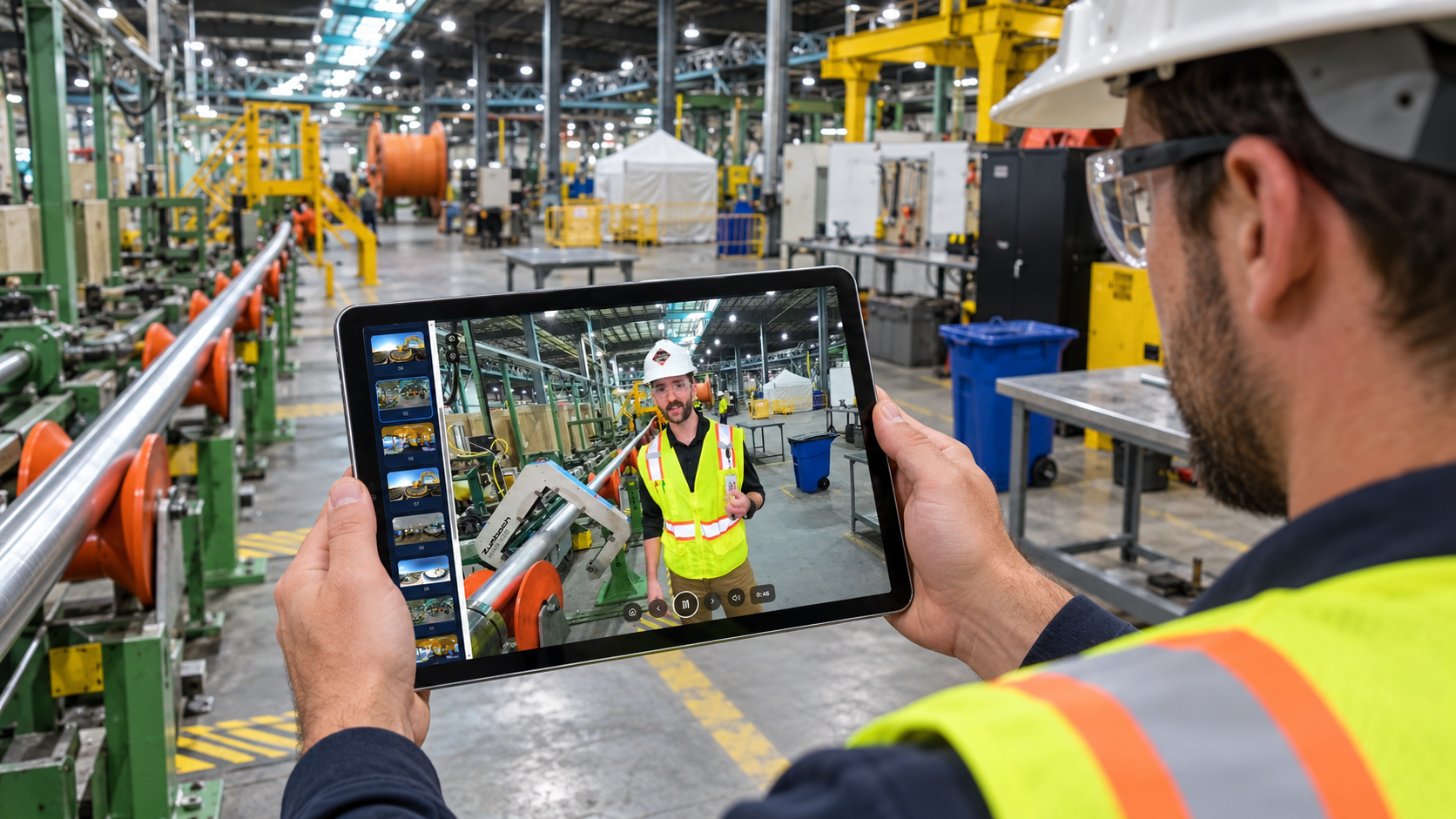
Procedures filmed on the real equipment.
Shoot the job as it is actually done, break it into steps, and put the warnings where they belong.
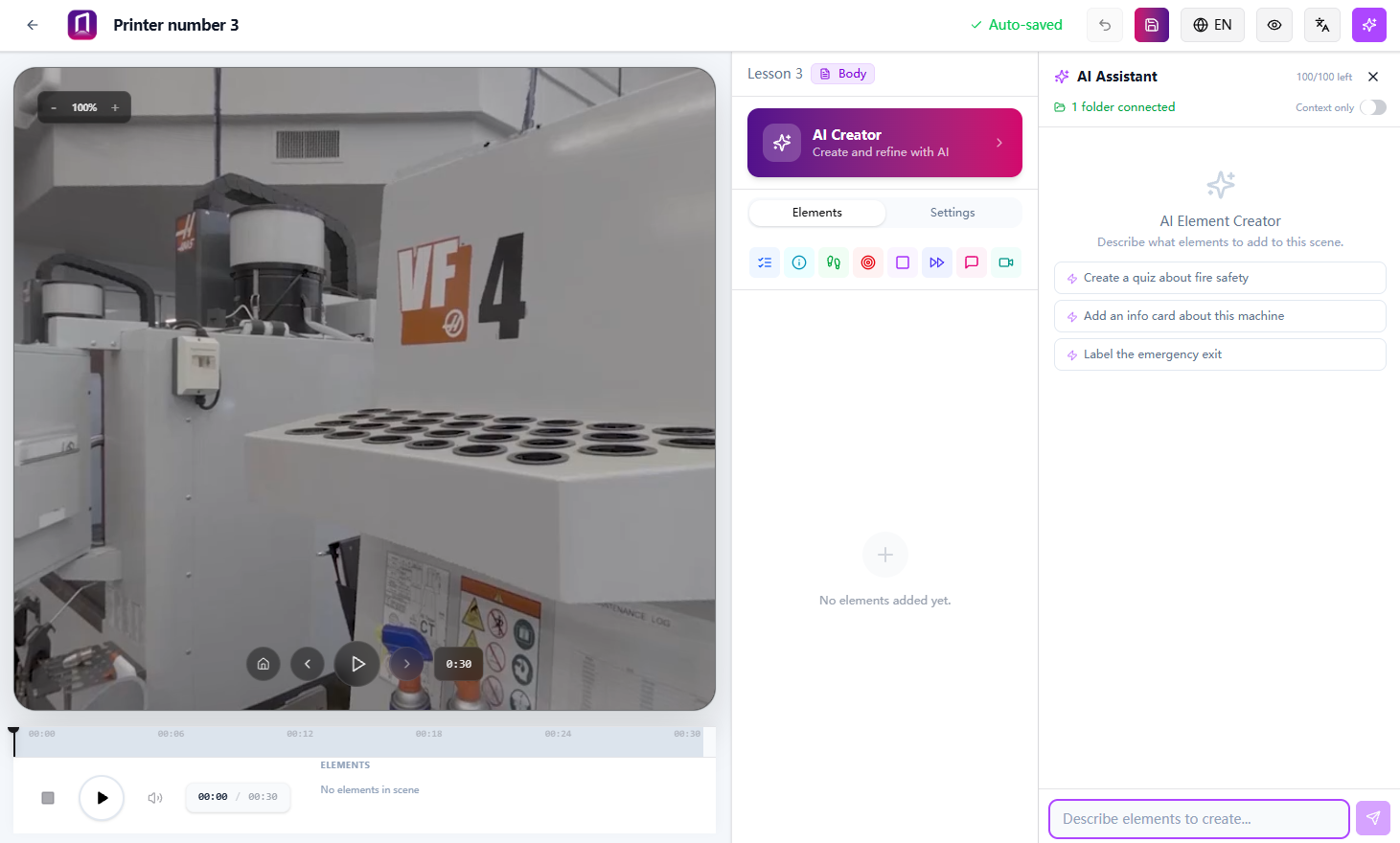
Procedures with as much AI support as you want.
Build from scratch, or start with AI Creator. Hand it your footage and manuals and it drafts the procedure into steps and writes the check questions for your review.
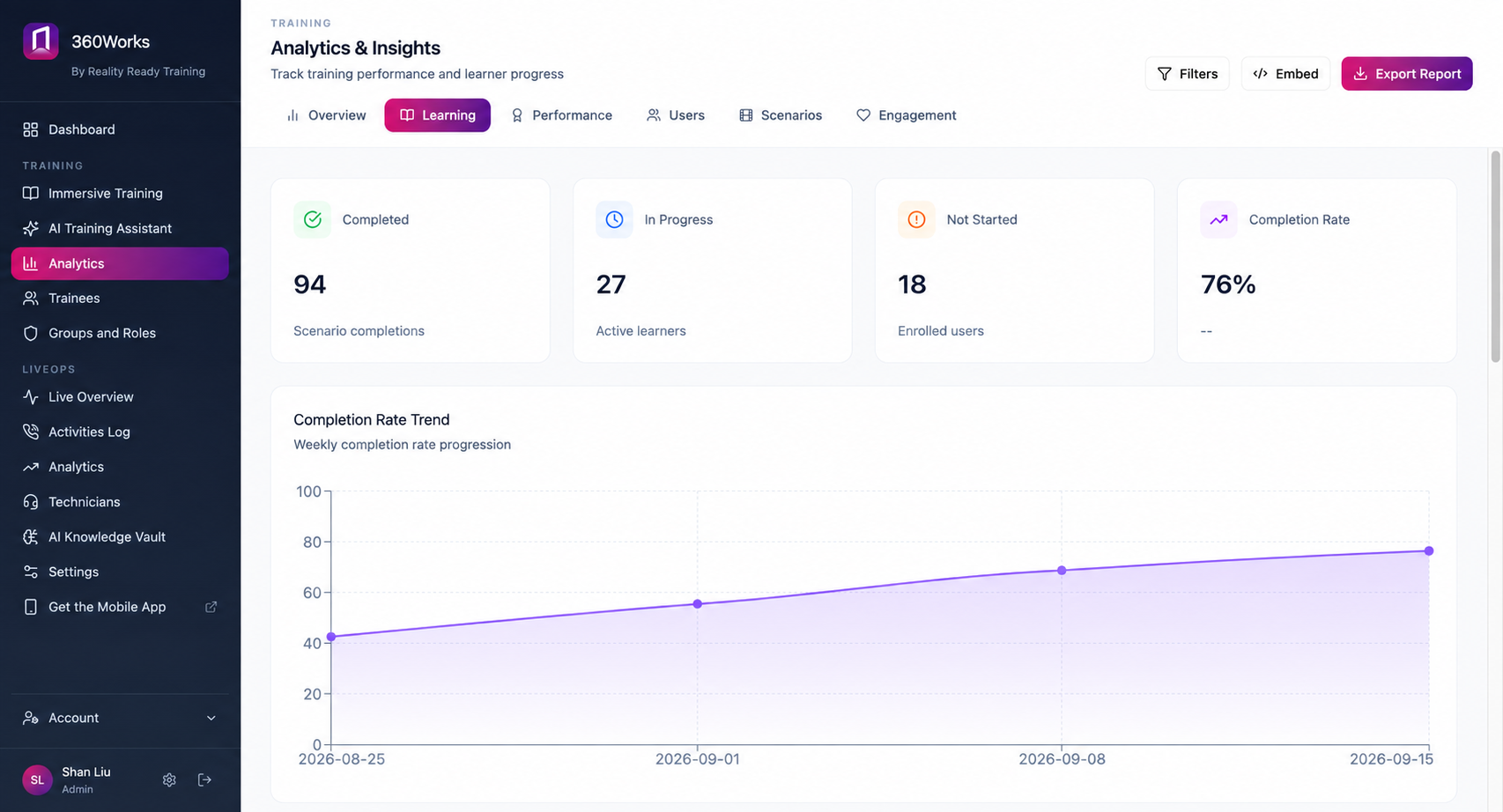
A record of who is signed off.
Completion and assessment scores per technician, exportable or pushed to your LMS.
Typical Modules
Pump Replacement and Commissioning
- 1 Isolate and make safe 10 min
- 2 Diagnosing the fault 20 min
- 3 Removal and inspection 20 min
- 4 Fitting the replacement 20 min
- 5 Commissioning and test run 15 min
- 6 Escalation: who to call when something goes wrong 5 min
What You Need To Start
The procedures you have already written. Most service teams have manuals, bulletins and SOPs on file. Those become the structure, and the filming fills in what the document never captured.
A phone is enough to film with. Add 360° capture where the space matters as much as the machine.
Built By Our Studio
Reality Ready Training's studio scans your equipment into interactive 3D models technicians can pull apart, sets up AR on the real unit, and produces the procedures with you, then hands them over in your own 360Works account for your team to update.
Common Questions
-
Most teams have something running in a week, working from material they already have.
-
One course covers as many models as share a procedure. Where models differ, the course branches at that step rather than being rebuilt from scratch.
-
Sessions can be launched from a work order, and chat logs, diagnostic summaries and session media save back to your system of record when the job closes. ServiceMax is supported today; ask about others.
-
Edit the module. Only reshoot if the physical job changed.
Put your first procedure on their phones
Start with a manual you already have. Free to try, on the phones your techs already carry.