

Bringing Theological Education to Life in 360°
360Works is proud to partner with Northeastern Seminary at Roberts Wesleyan University on Immersive Formation: Equipping for the Future, an initiative supported by a $1 million grant from Lilly Endowment Inc. through the Pathways for Tomorrow Initiative. The seminary set out to redesign its online theological programs around experience, not just delivery, and asked 360Works to build the interactive 360° environments and spatial learning tools to make that possible.
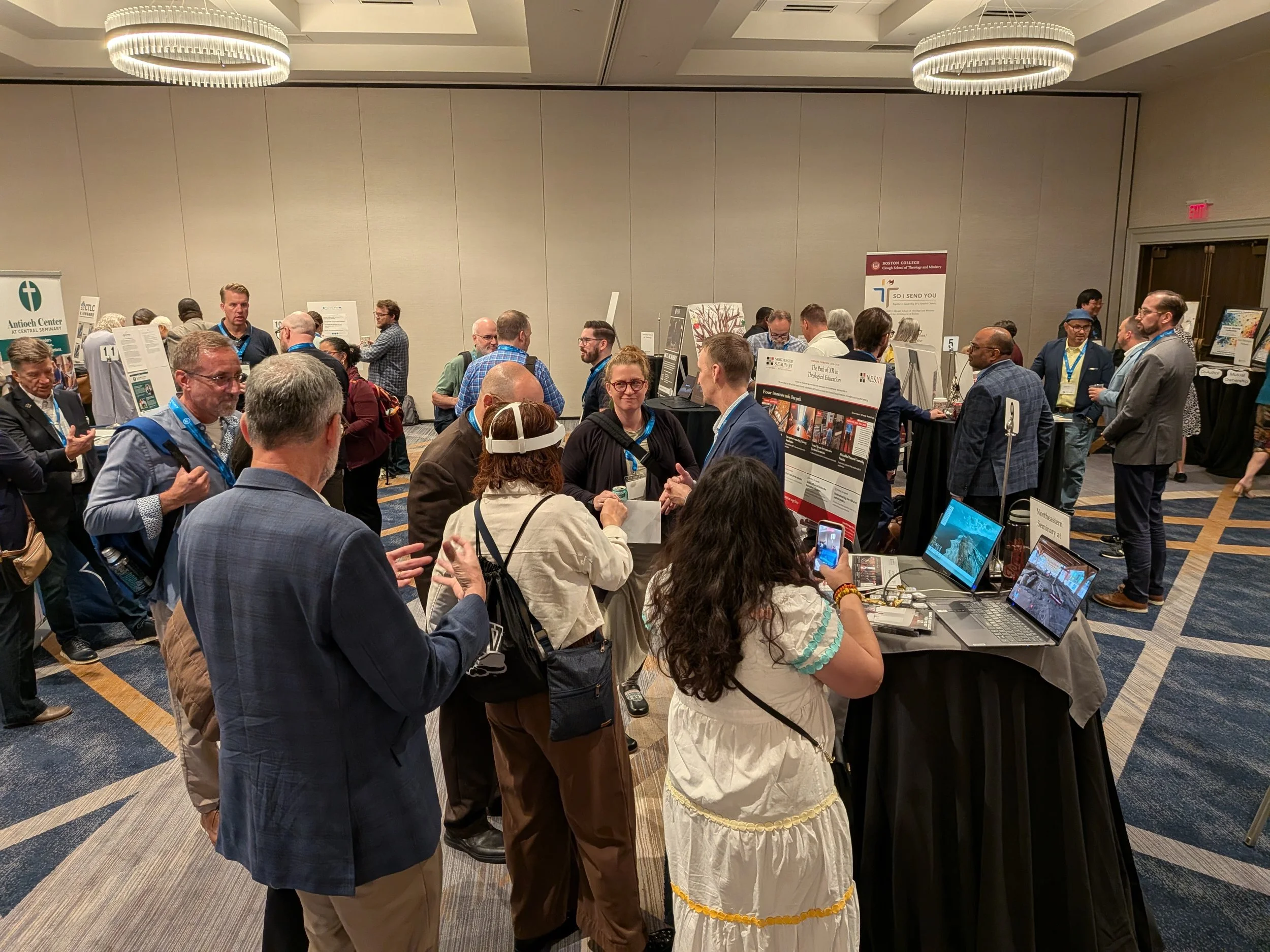
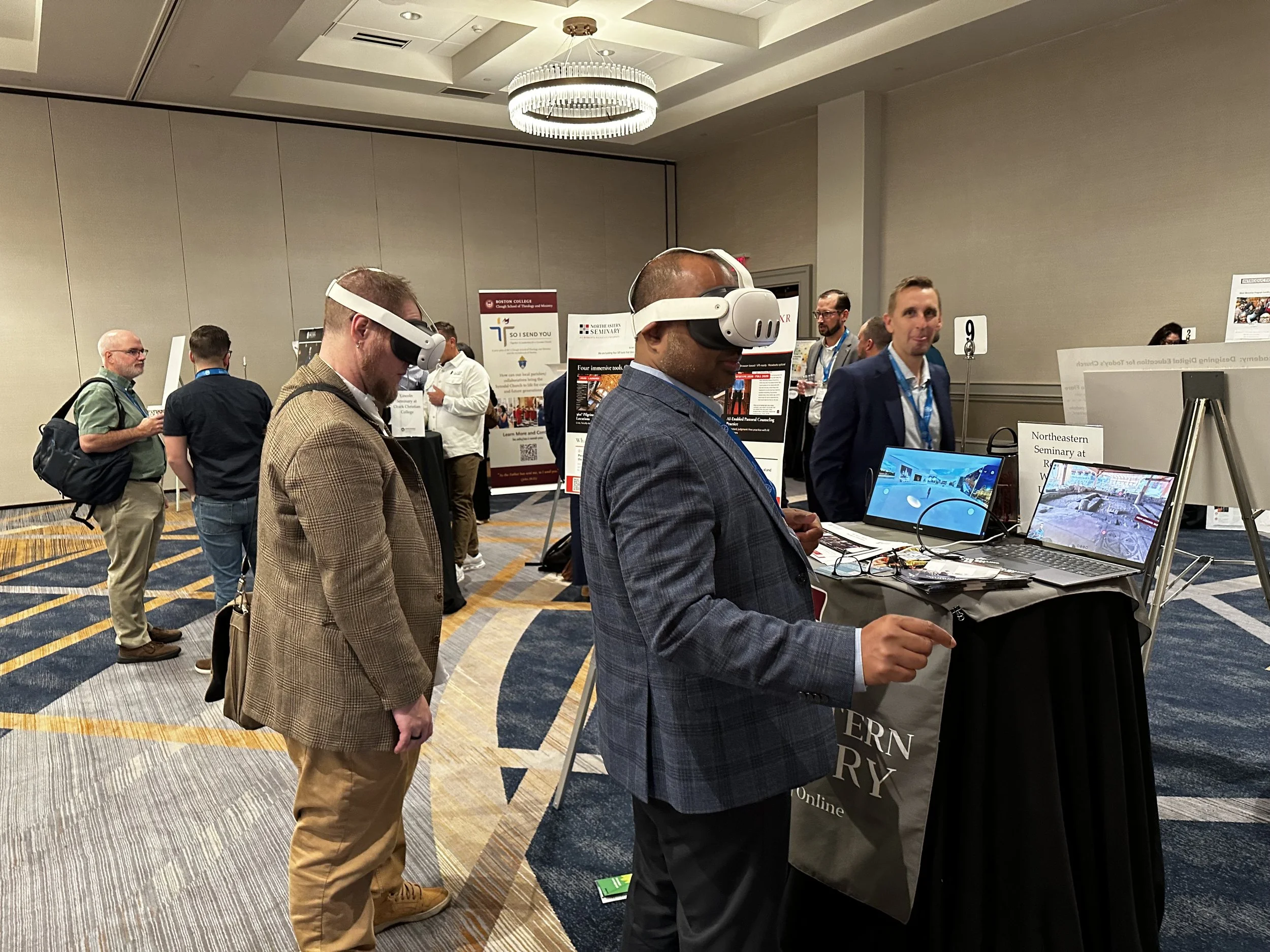
At the Pathways Expo in Indianapolis, deans, faculty, and project directors from across the Pathways cohort tested the work firsthand in headsets. Several stood in silence, then pulled off the headset and asked how the experience was built and whether their own institutions could do the same. As Jesus RodriguezCortes of Roberts Wesleyan University shared, "it happened because your team collaborated with us. I'm grateful for the effort, for the technology... for taking seriously our conviction that pedagogy drives technology, not the other way around."
That conviction, pedagogy drives technology, guided every build decision on this project.
What We Created
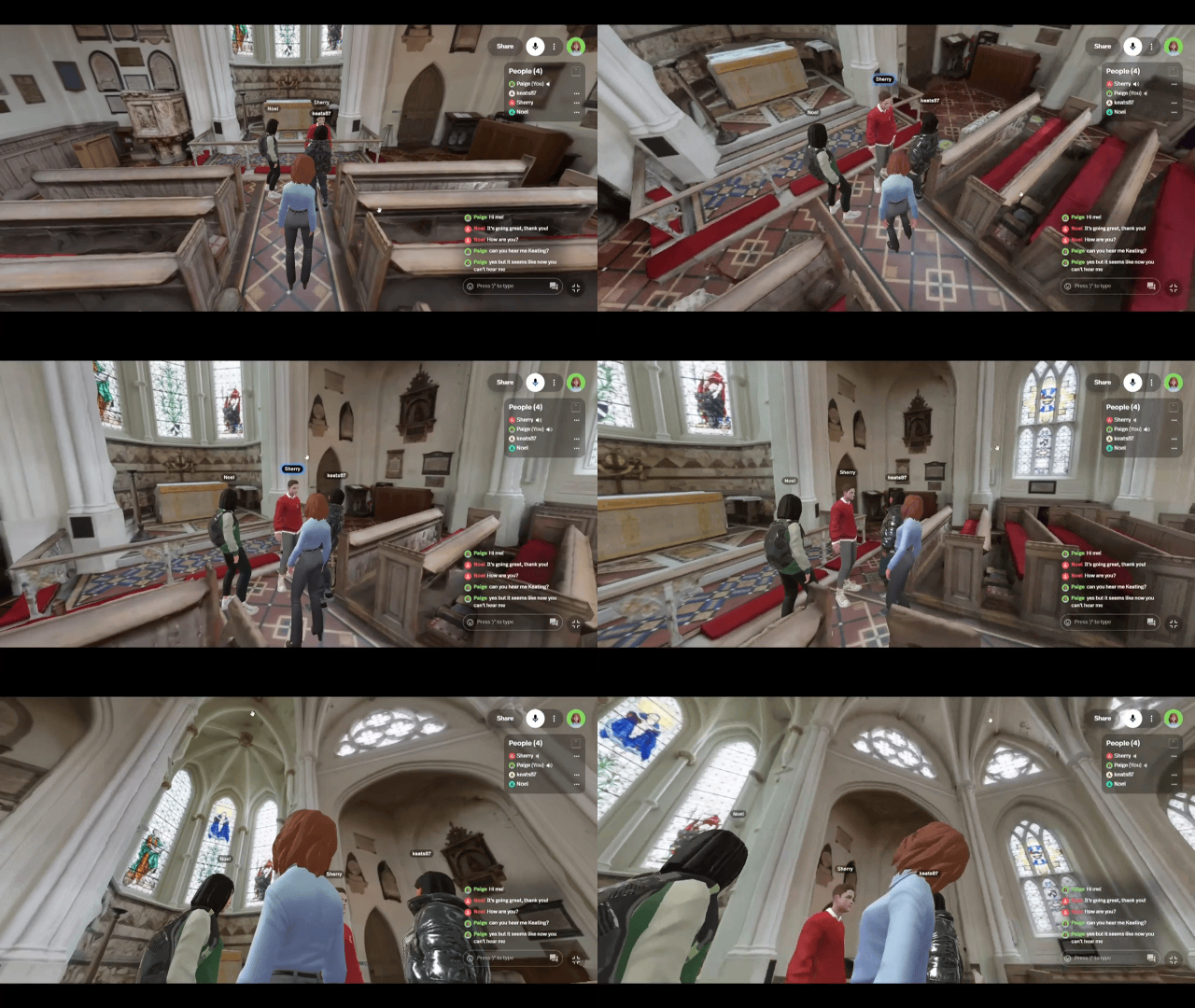
Interactive 360° Virtual Environments. We built six high-fidelity 3D collaborative spaces, including a chapel, a classroom, and a prayer circle, giving students remote access to theological learning environments that feel present and grounded rather than static and distant.
Spatial Learning Modules. Custom interactive VR and XR elements, including pop-up story overlays and green screen video integration, let faculty layer narrative and context directly into a scene, turning a walkthrough into a guided, faculty-led learning experience.
Cross-Platform and Headset Deployment. Every environment was built for WebXR and VR compatibility, tested live on headsets at the Pathways Expo in Indianapolis and accessible on web and mobile, so students can engage from a browser or a headset without a separate build for each.
Shared Presence Through Avatars and Spatial Audio. Real-time interaction, avatars, and spatial audio let students gather and reflect together inside these environments, supporting the dialogue and community that theological education depends on.
Scalable Foundations for Future Growth. These tools were built to be reusable and durable, so content can expand and programs can evolve without rebuilding the underlying system, setting up the seminary's future pilots for faster, more efficient development.
Demo 1: Learning through place
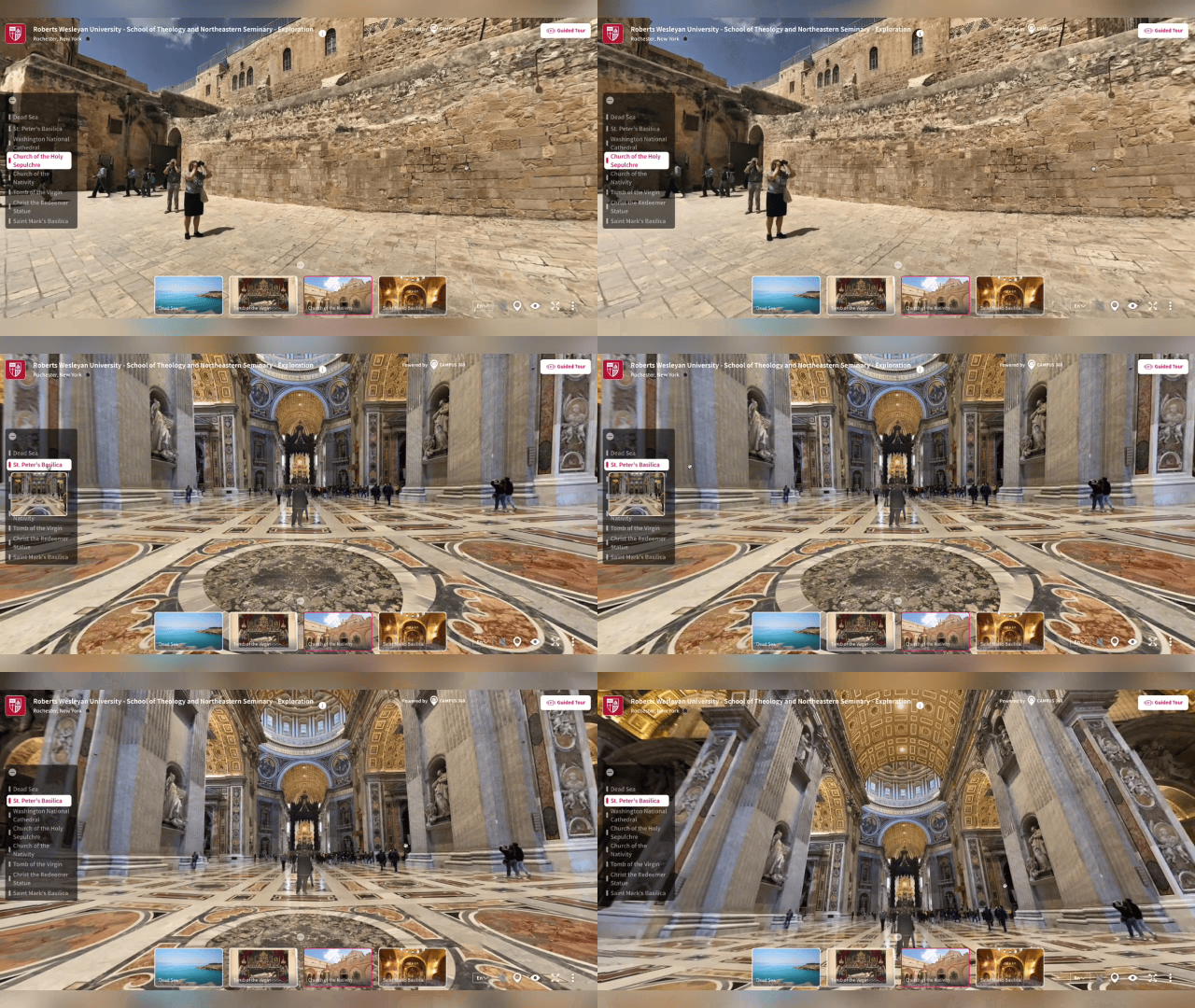
Students step into a real space with an instructor guiding the way and stories appearing in context.
Demo 2: Learning together
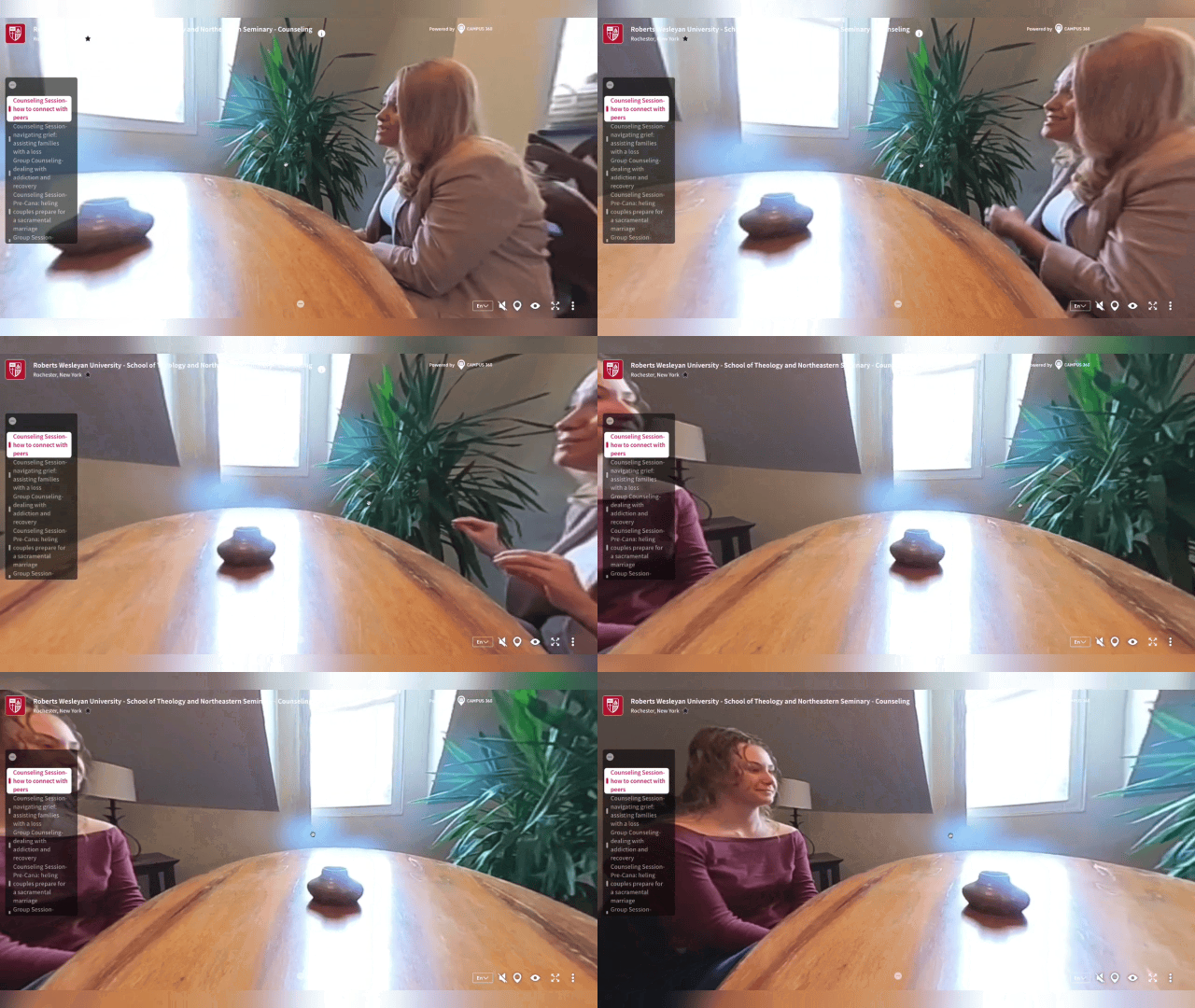
A shared space where learners gather, hear one another, and take part in real time.
Demo 3: Learning anywhere
The same experience reaches students through a browser or a headset.
Why This Matters
The Pathways Expo made the impact visible. Leaders who tried the environments in person responded with genuine surprise at what a seminary program could feel like online, and that response translated into strong institutional interest across the Pathways cohort.
That reaction points to a wider lesson for any institution building custom XR. Every environment, module, and deployment decision traced back to a specific teaching moment the seminary needed to support, and the build followed from there. It's the same approach 360Works brings to any institution with a custom vision: define the experience first, then engineer the tools to deliver it, tested across the devices your users actually have.
360Works designs and builds custom spatial learning technology for education providers ready to move past off-the-shelf tools. Schedule a meeting with our team to talk through what that could look like for your institution.